
Wildtokyo Casino Poker Thrills
Poker can look almost calm from a distance. Cards arrive, chips move, someone types “nice hand,” and the screen gives away very little. Once I sat down to explore the poker side of Wildtokyo Casino, though, that calm surface disappeared pretty quickly. Every decision had a weight to it, even the small ones. I used the Wild Tokyo login to access the platform and found myself lingering longer than planned, partly because I wanted to understand the tournament lobby and partly because a cash table had already started to feel oddly personal.
My first proper session was modest. I chose a low-stakes table, made a cup of tea, and told myself it would be a quick look around. About forty minutes later, the tea was cold and I was staring at a river card that had completely changed a hand I thought I understood. That is poker, I suppose. It rewards planning, then reminds you that planning is not the same thing as control.
Tournament Formats and the Cash Game Split
What I liked most about the poker area was the contrast between formats. A tournament has an obvious beginning and, if things go well, a finish line. Cash games feel different. They are more open-ended, sometimes more forgiving, but also capable of quietly draining attention and a bankroll if I stop paying attention.
Tournaments were where I felt the biggest swings in emotion. The buy-in is set, the blinds climb, and the value of each chip changes as the field gets smaller. Early on, I could afford to fold a decent hand and wait. Later, after the blinds had risen twice, the same hand might be too valuable to release. It took me a while to work out that tournament chips are not exactly like cash. Losing half a stack hurts more than simply losing half of a pile of money, because the ability to apply pressure often disappears with it.
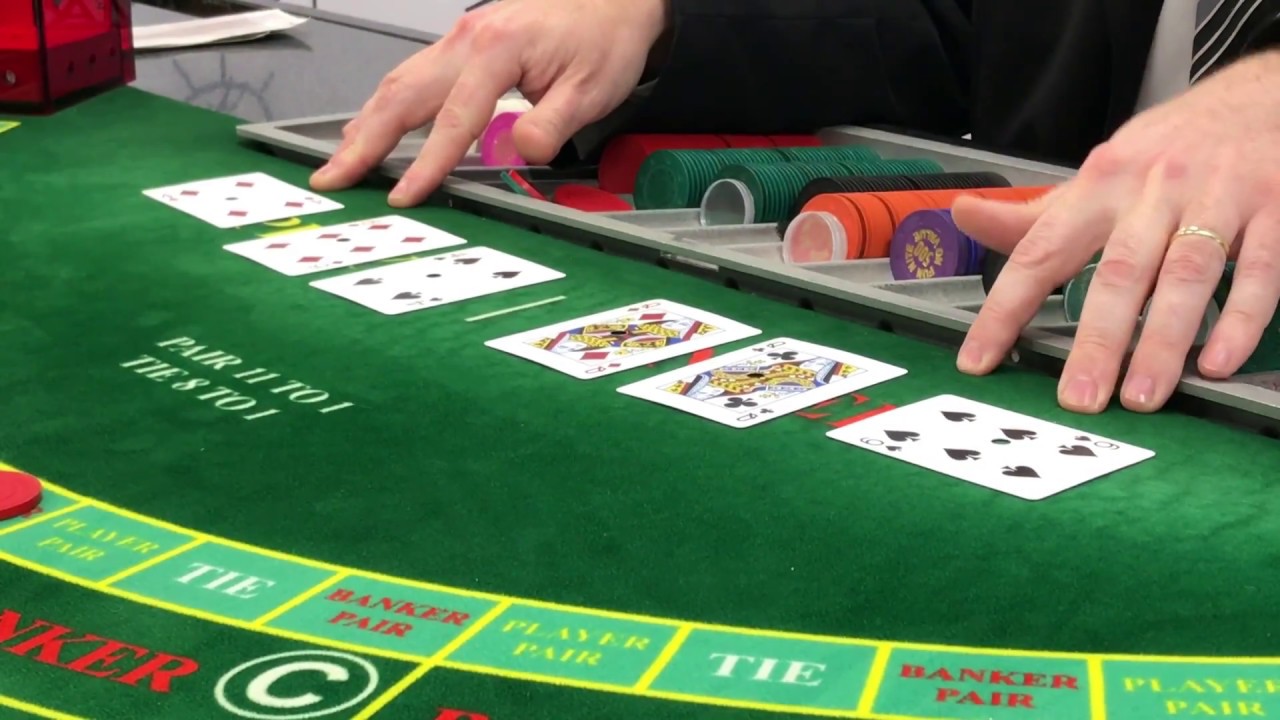
Cash games gave me a more direct version of poker. The blinds stayed stable, I could leave after a bad run or a good one, and every chip had a straightforward monetary value. That sounds simpler, but I found it mentally demanding in another way. In a tournament, a bad hand can be blamed on the rising blinds or the changing stage. At a cash table, I had fewer excuses. If I called too lightly three times in a row, that was just me being curious when I should have been disciplined.
- Multi-table tournaments suited me when I wanted a defined challenge and a clear budget.
- Sit-and-go style games felt quicker, with less waiting and faster shifts in stack sizes.
- Cash games worked better when I wanted control over the length of my session.
I do not think one format is objectively better. On a tired evening, cash poker can be a mistake because there is always another hand available. On another night, a small tournament can become too intense because the urge to reach the paid places starts affecting decisions. The sensible choice depends on mood as much as strategy, which is perhaps not the glamorous answer, but it is true.
Reading the Table Without Inventing Stories
Online poker removes physical tells, obviously. I could not watch somebody hesitate with a chip or look away from a board. Still, I found plenty to observe. Betting sizes, timing, how often someone entered pots, whether they defended their blinds, and how they reacted after losing a large hand all gave me fragments of information.
The danger is turning fragments into fiction. I made that mistake early. One player raised quickly twice, so I decided they were aggressive and probably bluffing too much. A few hands later I called their large bet with a medium-strength hand and ran into a very real, very strong holding. They might have been aggressive, but that did not mean every bet was weak. I had noticed a pattern, then stretched it far beyond what it could honestly tell me.
One of the better habits I developed was watching a full orbit before trying anything clever. I noticed who limped into pots, who raised from late position, and who seemed unwilling to fold after investing even a small amount. Position mattered more than I expected. Being last to act gave me time to see how a hand was developing, while acting first often made me feel as if I were answering a question before I had heard it properly.
I also started paying attention to stack sizes. A player with a short stack near the later stages of a tournament may push all-in with a much wider range than someone sitting comfortably with many blinds behind. That does not make the decision automatic, but it changes the conversation. Hand ranges became more useful to me than trying to guess one exact pair of cards. At first that felt vague. Later, it felt freeing.
- Fast calls can suggest comfort, but timing alone is rarely enough to trust.
- Repeated small bets may signal a player trying to control pot size.
- Sudden changes in sizing are worth noticing, especially on dangerous boards.
There is a slightly awkward truth here. Reading the table made poker more enjoyable for me, but it did not turn me into a mind reader. Sometimes a player simply had a strong hand. Sometimes they clicked the wrong size. Sometimes I was so focused on their supposed strategy that I missed the obvious draw on the board. Poker has room for subtlety, but it also punishes overthinking.
When the Clock Starts Feeling Loud
The real drama came under pressure. Online poker has a timer, and a timer can be surprisingly persuasive. I remember holding top pair in a tournament hand with a coordinated board showing possible straights and flushes. An opponent made a large river bet. I had enough time to think, but not enough time to become comfortable. My mouse hovered over call, then fold, then call again.
I folded. The player showed a bluff afterward, which was irritating in the very specific way only poker can be irritating. For a few seconds I wanted to treat that reveal as proof I had failed. Looking back, I still think the fold was understandable. Maybe too cautious, yes, but not foolish. That distinction matters. A decision can be reasonable even when the outcome makes it feel bad.
The strongest poker habit I tried to build was separating the quality of a decision from the result of one hand. It sounds like advice printed on a motivational poster, yet I needed to learn it through experience. Winning with a poor call does not make the call good. Folding the better hand does not automatically mean I played terribly. Over enough hands, the quality of choices has more to say than a single dramatic showdown.
Bluffing was another pressure test. I did not bluff often at first, perhaps because it felt like making a public announcement that I might be wrong. Eventually I understood that bluffing is not supposed to be dramatic. The better bluffs I attempted had a story behind them. The board favored the range I represented, my earlier actions made sense, and the opponent had shown they could fold. Even then, I did not enjoy clicking the bet button. Maybe I never will.
Bankroll, Comfort, and Knowing When to Leave
The casino setting can make poker feel like just another game in a long menu of entertainment, but I found it useful to treat it differently. Slots are immediate and solitary. Poker involves other people, different rhythms, and more decisions per minute than I expected. Because of that, I set aside a separate amount for poker sessions rather than drifting between games without a plan.
For tournaments, the fixed buy-in helped. I knew the cost before registering, and I could choose smaller events while learning. For cash games, I set a stop point before sitting down. That sounds sensible in theory. In practice, it is hard to leave after being close to a big pot, or after losing one in a frustrating way. Still, the moments I regretted most were not the losing hands. They were the hands I played after I had stopped enjoying the session.
The platform experience felt smoother once I stopped trying to follow every available table. There is a temptation to open more games because action looks exciting, but one table gave me enough to think about. I could notice betting patterns, take a breath before the timer got low, and actually remember why I had called or folded. Multi-tabling may suit more experienced players. For me, it initially turned poker into a blur of tiny emergencies.
My small practical routine became simple: I picked a format, decided on a time limit, kept notes in my phone after unusual hands, and stepped away if the game felt like work. The note-taking part sounds excessive, perhaps, but one entry just said “do not chase the third barrel with second pair.” It was a useful reminder after I made exactly that mistake.
FAQ
Which poker format felt easiest to start with?
For me, a low-buy-in tournament was easiest because the amount at risk was clear from the start. A low-stakes cash game can also work, but it requires more discipline because leaving is always a choice.
Can I really read opponents in online poker?
Not in the same way as live poker, but patterns still matter. I looked at bet sizes, position, stack depth, timing, and how often someone entered pots. None of these clues is perfect on its own.
What is the biggest mistake under pressure?
I think it is letting the previous hand decide the next one. After a bad beat or a missed bluff, I was more likely to force action. Pausing for even a minute helped me reset.
Should beginners bluff often?
Probably not. I found it more useful to learn when to fold, value bet, and respect position first. A bluff makes more sense when there is a clear reason for it, not just because the pot looks tempting.
My experience with Wildtokyo Casino poker was less about chasing a perfect winning session and more about learning to stay present. Tournaments gave me bursts of tension, cash games tested patience, and every difficult fold seemed to teach something eventually. I still enjoy the thrill of a strong hand, of course. But the moments that stay with me are usually the uncertain ones, when the timer is ticking and I have to decide what I actually believe.